United Flight UA109 Diversion: A Comprehensive Look at What Happened, Why It Matters, and the Broader Implications for Aviation Safety 2026
Keyword: United flight UA109 diversion
On October 30, 2025, United Airlines Flight UA109 — a long‑haul transatlantic service — was forced to divert from its scheduled route, drawing attention from aviation enthusiasts, industry analysts, and travelers worldwide. What might have been a routine journey became a noteworthy event when the Boeing 787‑8 Dreamliner operating the flight diverted mid‑air and made an unscheduled landing in Dublin, Ireland. This article explores the incident in depth, analyzing what happened, why it happened, how the diversion was handled, the broader context of flight diversions in modern aviation, and what this means for passengers and airline operations United Flight UA109 Diversion
1. What Was United Flight UA109? The Original Plan
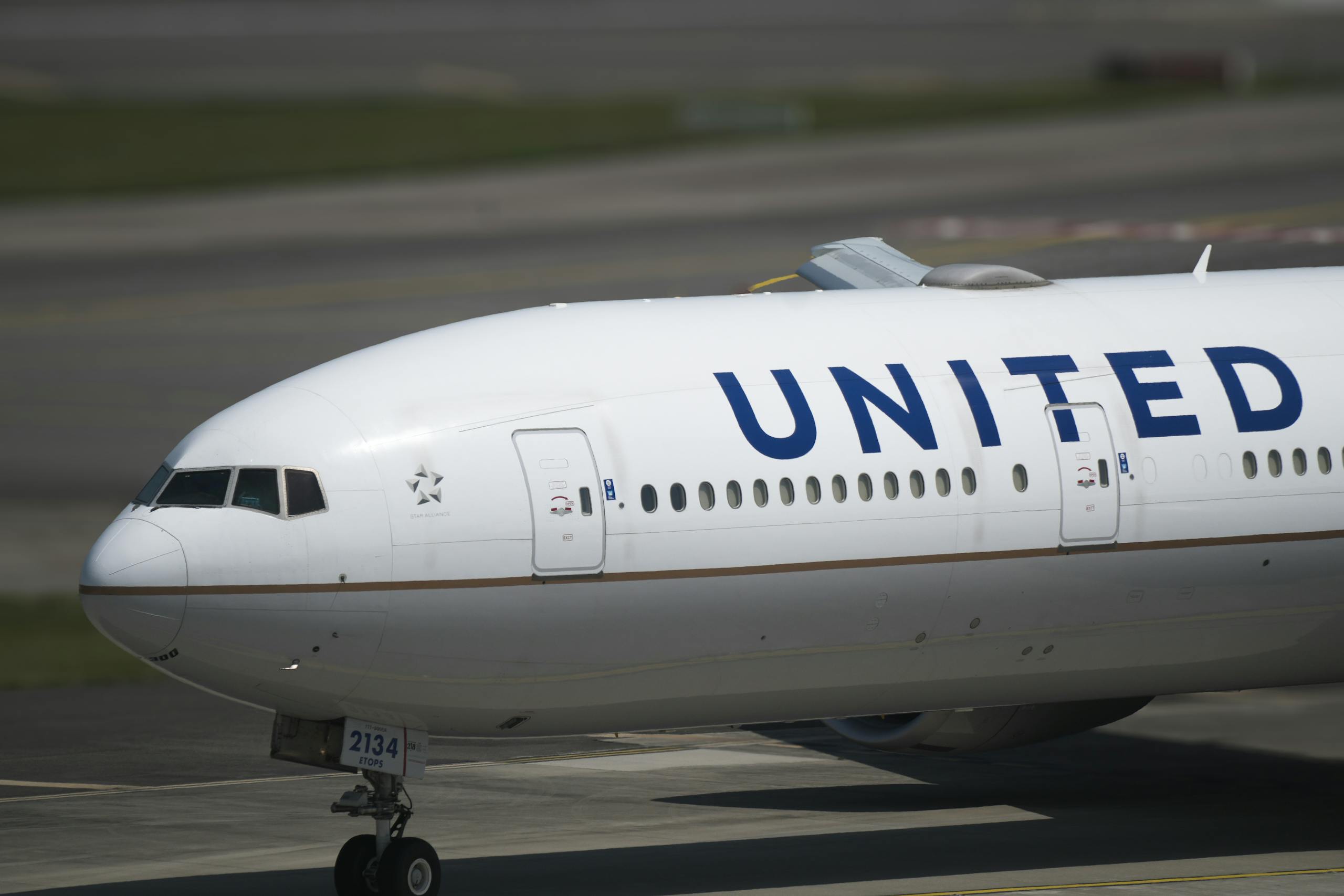
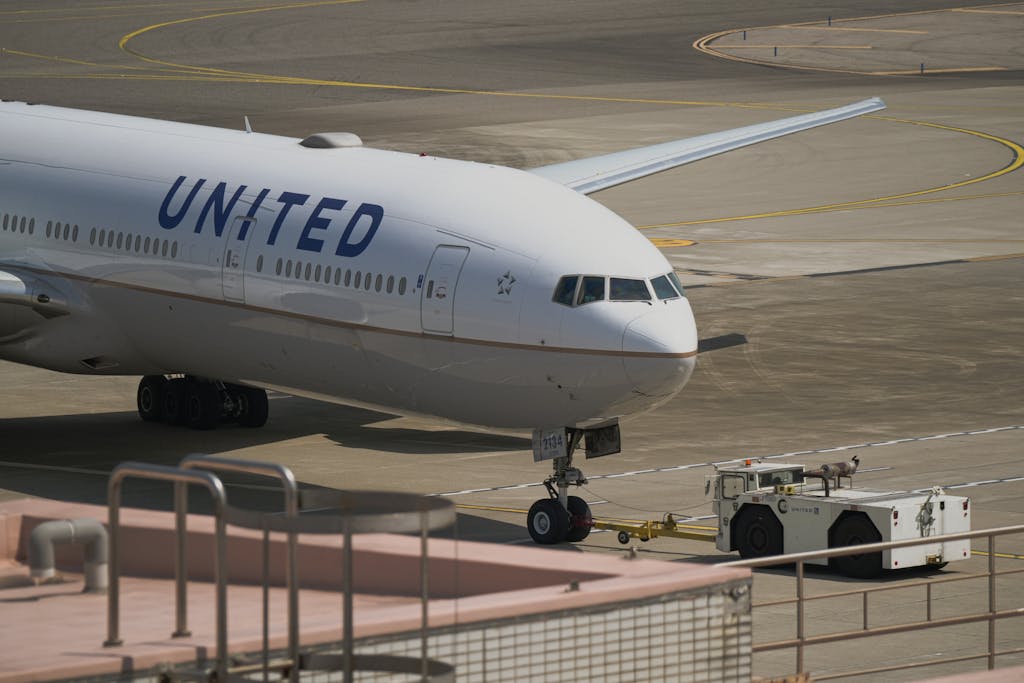
United Flight UA109 was a scheduled service operated by United Airlines, a major U.S. carrier and one of the world’s largest airlines. On October 30, 2025, Flight UA109 departed Munich Airport (MUC) in Germany bound for Washington Dulles International Airport (IAD) in the United States. The Boeing 787‑8 Dreamliner assigned to this flight — registration N28912 — carried around 200 passengers and crew on what should have been an overnight Atlantic crossing, a flight of roughly nine hours United Flight UA109 Diversion.
From takeoff, all appeared normal. The aircraft climbed to cruising altitude and headed westward over the Atlantic, carrying passengers and crew toward the U.S. capital region. However, approximately three hours into the flight, a concerning situation unfolded that changed the flight’s course.
2. Mid‑Flight Medical Emergency: The Spark Behind the Diversion
Approximately 90 minutes into the transatlantic segment, while the aircraft was cruising over the North Atlantic, the flight crew received a report that altered the remainder of the journey. According to United Airlines and multiple aviation reports, a crew member experienced a medical issue serious enough that continuing the nine‑hour flight posed unnecessary risk United Flight UA109 Diversion.
The airline later explained that the flight attendant suffered from worsening discomfort — described in some reports as pain that hampered their ability to remain on duty for the duration of the flight — and thus required immediate medical attention. While the injury or illness was not life‑threatening once the plane landed, the discomfort and operational implications meant that crew resources could be compromised if the flight continued uninterrupted United Flight UA109 Diversion.
From the cockpit, the pilots consulted with United Airlines operations teams and made the decision to divert the aircraft to a safe alternate airport. In transatlantic operations, this standard process reflects stringent safety protocols governing crew health, passenger welfare, and risk minimization United Flight UA109 Diversion.
3. The U‑Turn Over the Atlantic: Route and Rationale
Once the decision to divert was made, Flight UA109 executed a dramatic U‑turn over the Atlantic Ocean and retraced its steps eastward toward Europe. This was not a random change of course; it was a calculated response to an emergency situation that placed operational safety above all other concerns United Flight UA109 Diversion.
The nearest suitable airports along the transatlantic corridor were evaluated. Dublin Airport (DUB) in Ireland emerged as the most logical choice due to its strategic location on the typical North Atlantic track and its capabilities to handle diverted flights. Dublin is designated as an ETOPS alternate airport, meaning it is one of the facilities prepared to accommodate wide‑body aircraft carrying out long overwater flights when unscheduled landings become necessary United Flight UA109 Diversion.
After turning back, Flight UA109 safely landed at Dublin Airport at about 3:00 PM GMT. Emergency vehicles met the aircraft on arrival, though no serious medical emergency was recorded, and the crew member in question did not require hospitalization.
4. Inside the Diversion Decision: Aviation Safety Protocols
To fully appreciate why Flight UA109 was diverted, it’s important to understand how aviation safety protocols govern in‑flight emergencies, especially medical incidents United Flight UA109 Diversion.
Medical Incidents Aboard Aircraft
Airlines operate under strict regulations from aviation authorities such as the Federal Aviation Administration (FAA) in the U.S. and the European Union Aviation Safety Agency (EASA) in Europe. These rules require that crew and passengers be monitored for health emergencies and that aircraft divert when necessary for medical care or when crew capability is impaired United Flight UA109 Diversion.
In the case of UA109, the flight attendant’s condition, while not immediately dangerous to life, impacted their ability to perform essential duties for the rest of the flight. Flight attendants are critical to onboard safety — they manage emergency protocols, assist passengers, and oversee cabin security. If one becomes incapacitated mid‑flight, it can increase risk exposure, especially on long haul segments. Declaring an onboard medical concern and diverting is thus in keeping with airline policy and international safety guidelines United Flight UA109 Diversion.
ETOPS and Diversion Planning
Flight UA109’s route over the Atlantic was operated under what’s known as ETOPS (Extended Twin‑Engine Operations) regulations. ETOPS certification allows twin‑engine aircraft like the Boeing 787 Dreamliner to fly routes that are more than 60 minutes away from an airport that can handle an emergency landing United Flight UA109 Diversion.
The system requires that alternate airports be identified at regular intervals. Dublin Airport is a key ETOPS alternate due to its runway capabilities, medical facilities, and support infrastructure. When a diversion is necessary, ETOPS protocols guide crews to the nearest viable airport, ensuring passengers and crew are brought to safety as quickly and efficiently as possible United Flight UA109 Diversion.
5. On the Ground in Dublin: Handling the Unscheduled Stop
Upon landing at Dublin Airport, ground teams sprang into action. Passengers were kept onboard briefly while medical personnel assessed the crew member’s health. United Airlines staff coordinated with airport services to ensure that any medical or logistical needs were addressed promptly .
Thankfully, the crew member’s condition was stable enough that hospitalization was unnecessary, and the flight was cleared to continue its journey after a short layover. Shortly after 4:15 PM GMT, Flight UA109 departed Dublin and resumed its flight across the Atlantic toward Washington Dulles International Airport. The aircraft touched down at around 6:30 PM local time, approximately two hours later than scheduled.
During the layover, passengers were able to stretch their legs, receive updates from airline personnel, and prepare for the continuation of their journey. While delays are never welcome, the smooth handling of the situation ensured that passengers remained safe and informed.

6. Wider Context: Flight Diversions Are More Common Than You Think
Though the United Flight UA109 diversion made headlines, such events are more common in modern aviation than many realize. Diversions occur for various reasons — medical emergencies, technical faults, weather phenomena, and even passenger behavior.
For example:
- An American Airlines flight AA93 made a transatlantic U‑turn and diverted to Dublin due to operational concerns — a reminder that diversions are not unique to one airline.
- United flights have previously diverted because of maintenance issues, crew health problems, and even passenger disturbances.
- In a separate transpacific case, another United flight diverted to Manila due to a passenger medical emergency requiring immediate attention.
These examples show the variety of situations that can disrupt schedules and force aircraft off their planned flight paths.
7. The Passenger Experience: Navigating an Unplanned Event
For passengers onboard Flight UA109, the diversion was undoubtedly an unexpected twist. Many long‑haul travelers mentally prepare for delays, turbulence, or mechanical stops — but a mid‑flight U‑turn is a different experience entirely.
Passengers reported seeing the aircraft reverse course and change direction sharply before descending toward Dublin. Such changes are tracked in real time by flight tracking platforms like FlightRadar24, where aviation enthusiasts noted the distinctive shift from westbound to eastbound before landing.
While the diversion caused a delay, passengers were generally supportive of the decision. When faced with a potential medical emergency, the choice to divert prioritized safety — even if it meant an extra stop and lost time.
From a passenger rights perspective, airlines typically work to ensure comfort after diversions by providing:
- Regular updates about the situation and estimated departure times
- Access to airport facilities if layovers stretch longer than anticipated
- Rebooking options if connections are missed
- Meal vouchers or accommodations in rare, overnight diversion scenarios
In the case of UA109, the delay was relatively short, and passengers resumed their journey on the same day with limited inconvenience United Flight UA109 Diversion.
8. Airline and Industry Response: United Airlines’ Statement
United Airlines addressed the incident with a statement confirming that Flight UA109 diverted due to a medical issue involving a crew member and emphasizing that safety was the top priority. The airline praised its crew for handling the situation professionally and thanked Dublin Airport services for their prompt support United Flight UA109 Diversion.
Statements from airlines in such cases typically stress United Flight UA109 Diversion:
- Commitment to safety
- Minimizing passenger disruption
- Coordination with local airport authorities and medical teams
By handling the diversion effectively and communicating clearly with passengers, United aimed to maintain trust and reassure travelers that their well‑being always comes first.
9. Why Diversions Are Critical to Flight Safety
The United Flight UA109 diversion highlights several important aspects of modern aviation safety United Flight UA109 Diversion:
A. Crew Health Matters
Crew members — pilots and flight attendants — are essential to the operation of any flight. If a crew member becomes unable to perform duties due to health concerns, the flight cannot safely continue without jeopardizing regulatory compliance and passenger safety United Flight UA109 Diversion.
B. Diversions Are Planned for in Advance
Diverting an aircraft is never an ad‑hoc decision; it’s a controlled process with contingency plans built into flight planning. ETOPS tracks, alternate airports list, and training for diversions ensure a safe outcome for unplanned stops.
C. Safety Trumps Convenience
Passengers may be inconvenienced by diversions, but in every instance, safety is the overriding concern. Whether due to turbulence, alleged onboard threats, medical issues, or engine anomalies, pilots are trained to follow a hierarchy of priorities where human life comes first.
10. Aftermath and Lessons Learned
In the wake of the UA109 diversion, there are valuable lessons for multiple stakeholders:
For Airlines
- Continued emphasis on crew health monitoring is critical
- Training for mid‑flight health emergencies must remain robust
- Clear communication with passengers during diversions helps maintain trust
For Passengers
- Understand that diversions are part of aviation safety
- Cooperation with crew and ground staff makes situations more manageable
- Realize that unscheduled landings, while inconvenient, prevent larger issues
For Aviation Authorities
- Continuous evaluation of emergency protocols and alternate airport readiness
- Ensuring airports like Dublin remain prepared for diverted flights
- Sharing data on diversions to improve best practices across airlines
11. Final Reflection
The United flight UA109 diversion was a textbook example of how modern airlines respond to unforeseen challenges in flight. While the diversion captured headlines and sparked curiosity among aviation enthusiasts, the broader reality is clear: safety protocols worked as designed.
From the quick decision made by the pilots and crew, to the strategic selection of Dublin as an alternate landing site, to the continued journey after a brief layover, Flight UA109’s response demonstrated the aviation industry’s commitment to passenger and crew safety above all else. Though delays and diversions can disrupt travel plans, they reflect a system designed to protect lives and ensure that every flight — no matter where it begins or ends — concludes as safely as possible.
United Flight UA109’s diversion serves as a case study and reminder: in an industry where millions of passengers fly daily, preparedness and safety are never optional — they are fundamenal.
ALSO READ MORE HerbCiepScam: A Complete Investigation Into the Claims, Risks, and Reality 2026