Bin Matcha: The Rising Green Power Redefining Modern Tea Culture 2026
In recent years, matcha has evolved from a traditional Japanese tea into a global lifestyle phenomenon. Among the many variations and emerging trends, bin matcha has started gaining attention for its affordability, accessibility, and versatility. While premium ceremonial matcha often dominates conversations, bin matcha represents a practical, everyday alternative that fits modern routines without compromising the essence of matcha culture.
This article explores what bin matcha is, how it differs from traditional matcha, its benefits, uses, quality considerations, and why it is becoming increasingly popular worldwide.
What Is in Mtcha?
Bin acha generally refers to macha that is stored, sold, or packaged in bulk containers or bins rather than small, premium tins. It is commonly used for culinary purposes, cafés, bakeries, and daily consumption rather than formal tea ceremonies.
Unlike ceremonial-grade matcha, which is produced from the youngest tea leaves and stone-ground with extreme precision, bin matcha often comes from slightly more mature leaves. This difference makes it more affordable and accessible while still retaining many of matcha’s core characteristics.
Bin matcha is not necessarily low quality; instead, it is purpose-driven—designed for frequent use, mixing, and cooking.
The Origins of Macha and the Evolution Toward Bin Matha
Matcha originated in Japan over 800 years ago, deeply connected to Zen Buddhism and tea ceremonies. Traditionally, matcha was rare, expensive, and reserved for spiritual or formal gatherings.
As global demand increased, matcha production expanded beyond ceremonial needs. This shift gave rise to different grades, including culinary matcha and eventually bin matcha, which meets the demands of:
- High-volume cafés
- Food manufacturers
- Health-conscious consumers
- Home cooks
Bin matcha represents the modernization of an ancient tradition, making matcha more inclusive and practical.
How Bn Matcha Differs from Ceremonial Matca
Understanding the differences helps consumers choose the right type for their needs.
1. Leaf Selection
Ceremonial matcha uses the youngest, most tender leaves. Bin matcha often uses slightly mature leaves, which results in a stronger, more robust flavor.
2. Flavor Profile
Bin matcha tends to be:
- More bitter
- Earthy
- Bold
This makes it ideal for blending with milk, sweeteners, or other ingredients.
3. Color
While high-grade matcha is bright neon green, bin matcha may appear:
- Olive green
- Deep green
Color variation does not mean poor quality—it reflects its intended use.
4. Price
Bin matcha is significantly more affordable, especially when purchased in bulk.
Why Bin Mtcha Is Gaining Popularity
1. Cost-Effective for Daily Use
Premium matcha can be expensive. Bin atcha allows people to enjoy matcha daily without financial strain.
2. Perfect for Cafés and Businesses
Coffee shops and bakeries prefer bin matcha because:
- It reduces cost per serving
- It blends well in lattes and desserts
- It maintains consistency in large batches
3. Health Trends and Lifestyle Changes
As people move toward healthier alternatives to coffee and sugary drinks, bin matcha offers:
- Sustained energy
- Antioxidants
- Lower caffeine crashes
4. Culinary Versatility
Bin matha works exceptionally well in recipes where ceremonial matha would be overpowered or wasted.
Health Benefits of Bn Matcha
Although ceremonial matca may have slightly higher nutrient density, bin atcha still delivers impressive health benefits.
Rich in Antioxidants
Bin matcha contains catechins, particularly EGCG, which support:
- Immune health
- Cell protection
- Anti-aging
Sustained Energy
Matcha provides a balanced caffeine release due to L-theanine, promoting:
- Mental clarity
- Calm focus
- Reduced jitters
Metabolism Support
Regular consumption may help improve metabolism and fat oxidation.
Detoxifying Properties
Since matcha uses whole tea leaves, bin matcha still contains chlorophyll, which supports natural detox processes.
Common Uses of Bin Matca
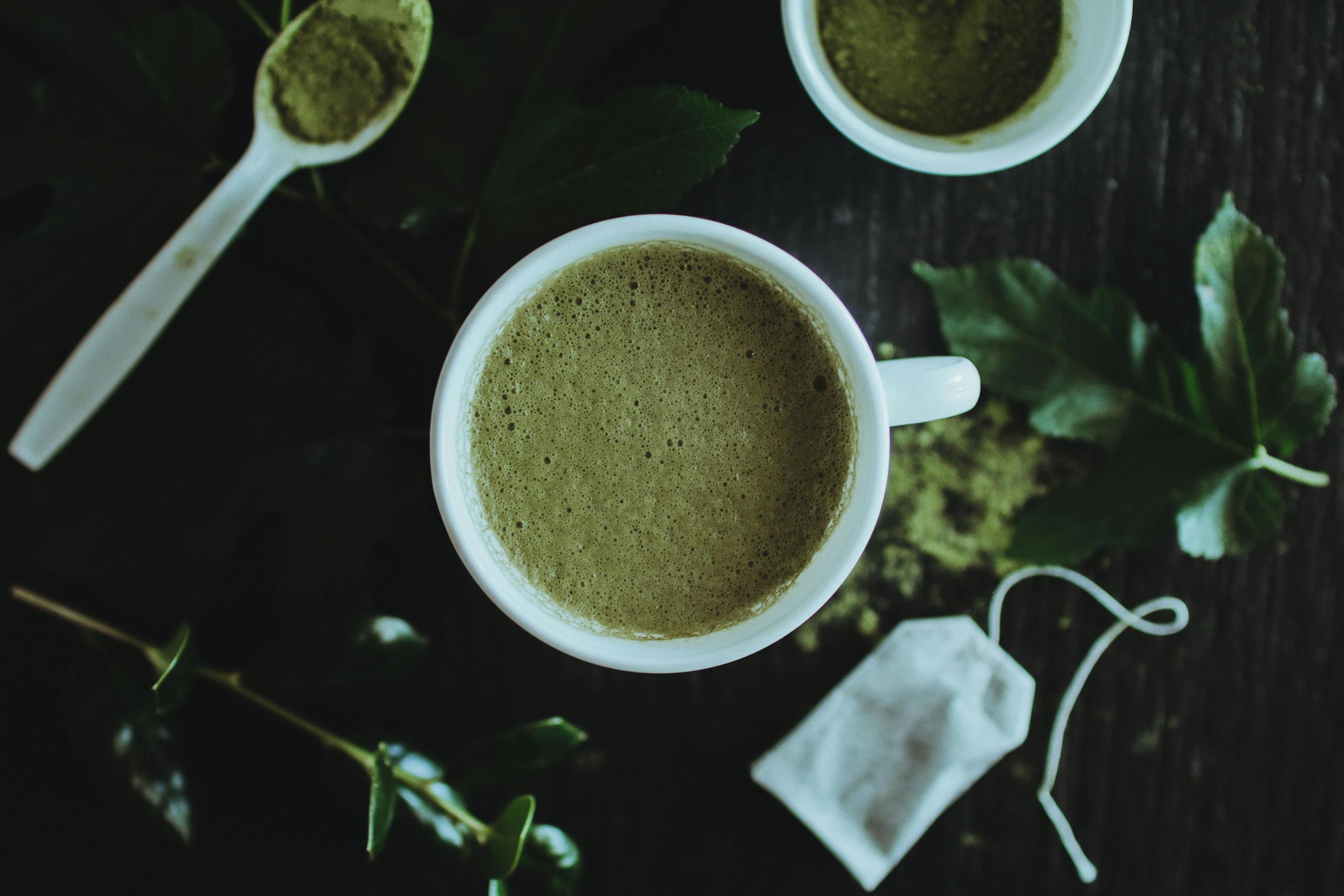
1. Matcha Lattes
Bin matcha is ideal for milk-based drinks because its strong flavor holds up well.
2. Smoothies
It blends easily with fruits, protein powders, and plant-based milks.
3. Baking and Desserts
Popular uses include:
- Matcha cakes
- Cookies
- Ice cream
- Pancakes
4. Cooking
Some chefs use bin matcha in:
- Sauces
- Noodles
- Energy bars
5. Everyday Tea
For casual tea drinkers, bin matcha offers a practical daily option.
How to Choose High-Quality Bn Macha
Not all bin mtcha is the same. Here are key factors to consider:
Source
Look for matcha sourced from reputable regions such as:
- Uji (Japan)
- Nishio (Japan)
- Shizuoka
Ingredient List
Pure bin matcha should contain 100% green tea powder, with no additives.
Freshness
atcha is sensitive to air and light. Even n matcha should be:
- Stored airtight
- Kept away from heat
Taste Test
High-quality bn matcha should taste:
- Slightly bitter but smooth
- Not burnt or overly harsh
Storage Tips for Bn Matcha
Because bin atcha is often purchased in larger quantities, proper storage is essential.
- Use airtight containers
- Store in a cool, dark place
- Avoid moisture
- Refrigerate if unopened
Correct storage preserves flavor, color, and nutritional value.
Bin Macha vs Other Green Tea Powders
Some people confuse bin macha with generic green tea powder. The difference is significant.
| Feature | Bn atcha | Green Tea Powder |
| Leaf Type | Shade-grown | Sun-grown |
| Processing | Stone or fine-ground | Machine-ground |
| Nutrients | High | Moderate |
| Taste | Rich and bold | Flat or grassy |
Bin mtha remains closer to authentic mtcha than ordinary green tea powders.
Sustainability and Ethical Production
Many suppliers now focus on sustainable farming practices for bin matcha, including:
- Reduced pesticide use
- Ethical labor standards
- Eco-friendly packaging
Buying responsibly sourced bin matcha supports both health and environmental goals.
Myths About in Matcha
Myth 1: Bin Matha Is Low Quality
Reality: It is simply designed for different use cases, not inferior ones.
Myth 2: It Has No Health Benefits
Reality: Bin matcha still contains antioxidants, caffeine, and L-theanine.
Myth 3: It’s Only for Cooking
Reality: Many people enjoy bin matcha as a daily beverage.
The Future of in atcha
As matcha continues to integrate into mainstream culture, bin matcha is expected to grow in popularity. With rising demand for:
- Affordable wellness products
- Plant-based beverages
- Functional foods
Bin matcha stands out as a practical bridge between tradition and modern consumption.
Innovations in packaging, flavor blending, and sustainability will likely shape the next phase of bin matcha’s evolution.
What is Bin Matcha?
in Matcha is matcha that has been intentionally aged or matured in controlled storage (often called “binning”) for months to several years. The word “bin” refers to the storage process. It develops a smoother, less bitter, more rounded flavor compared to freshly ground macha.
How does Bn Matcha taste different from regular fresh matcha?
Fresh matcha is bright, grassy, vegetal, and can be quite sharp/astringent. Bin Matcha tastes mellower, nuttier, earthier, sometimes with subtle roasted, toasty, or caramel-like notes and much less bitterness.
Why has Bn Matcha become so trendy in cafés lately?
Its smoother, less intense flavor makes it much more approachable — especially in lattes, iced drinks, and desserts. Many people who found classic matcha too bitter now prefer the aged version, and it also creates very photogenic drinks.
Does aging mtcha reduce its health benefits?
Not significantly. in Matcha still contains high levels of antioxidants (especially EGCG), L-theanine, caffeine, chlorophyll, vitamins, and minerals. Some volatile compounds may decrease slightly, but the core health benefits (calm focus, metabolism support, anti-inflammatory effects) remain strong.
Is Bin Matcha less caffeinated than fresh matcha?
No — caffeine content stays very similar. The perceived “milder” effect usually comes from lower bitterness and astringency, plus the natural calming effect of L-theanine, which is well preserved during aging.
Which is better for lattes — fresh matcha or in Matcha?
Most modern cafés prefer Bn Matcha for lattes (both hot and iced). It blends more smoothly with milk, doesn’t fight the milk’s sweetness with sharp grassiness, and creates a more balanced, rounded flavor.
Can beginners start with in Matcha instead of regular matcha?
Yes — it’s actually one of the best entry points for people new to matcha. The reduced bitterness makes it much easier to enjoy straight, in lattes, or in recipes without needing a lot of sweetener.
Is Bin Matcha good for baking and cooking?
Excellent. Its mellower profile works beautifully in cakes, cookies, ice cream, mochi, pancakes, smoothies, chia pudding, energy balls, and even savory dishes. It gives a nice green color without overpowering other flavors.
How long is matcha typically aged to become “Bn Matcha”?
It varies by producer:
Light binning: 3–12 months
Medium: 1–2 years
Deep / long-aged: 3+ years
Most commercial “Bin Matcha” sold in cafés and specialty shops is aged 6–24 months.
How should I store Bin Matcha to maintain quality?
Airtight, opaque container (ideally a metal tin or dark glass jar), kept in a cool, dry, dark place. Many people store it in the refrigerator or freezer for longer-term preservation. Avoid temperature fluctuations and humidity.
Does Bin Matcha expire or go bad?
It doesn’t spoil quickly like fresh matcha, but quality slowly declines. Best consumed within 8–18 months after opening (or 2–3 years unopened if stored very well). Signs it’s past prime: faded color, dull aroma, clumpy texture, or stale/off smell.
Where can I buy real Bin Matcha?
Look for specialty Japanese tea brands or vendors that specifically label it as “aged,” “matured,” or “bin” matcha. Popular sources include:
Ippodo Tea
Marukyu Koyamaen
Sazen Tea
Matchaful
Breakaway Matcha
Independent Japanese tea shops
Some high-end cafés sell their house Bin Matcha blend
Avoid generic “aged matcha” from unknown sellers on marketplaces unless reviews are strong.
Final Thoughts
Bin matcha is not a compromise—it is a solution. It allows more people to experience the benefits, taste, and culture of matcha without the barriers of high cost or exclusivity. Whether used in lattes, baking, smoothies, or everyday tea, bin matcha has earned its place in modern kitchens and cafés.
By understanding its purpose, benefits, and proper use, consumers can make informed choices and fully enjoy what bin matcha has to offer.
As the global appreciation for matcha continues to expand, bin matcha proves that accessibility and quality can coexist—one green scoop at a time.
ALSO READ MORE Texas Hunting Forum: The Ultimate Online Hub for Lone Star State Hunters 2026